Timberland Turned Cultural Adoption Into Brand Authority.


THE POSITION
Timberland made culture its brand archive.
Most heritage brands tell people what their history means. Timberland does something more interesting: it lets the people who adopted the brand define that history.
The A to Z of Timberland turns nicknames, artists, neighborhoods, subcultures and decades of unexpected adoption into a dictionary.
Timberland isn't manufacturing cultural relevance. It's documenting the evidence that it already exists.
01 — THE MOVE
Turn cultural adoption into brand authority.
Timberland could have celebrated 50 years through its own chronology: products, innovations, campaigns and company milestones.
Instead, its alphabet is populated by what happened after the product left the company.
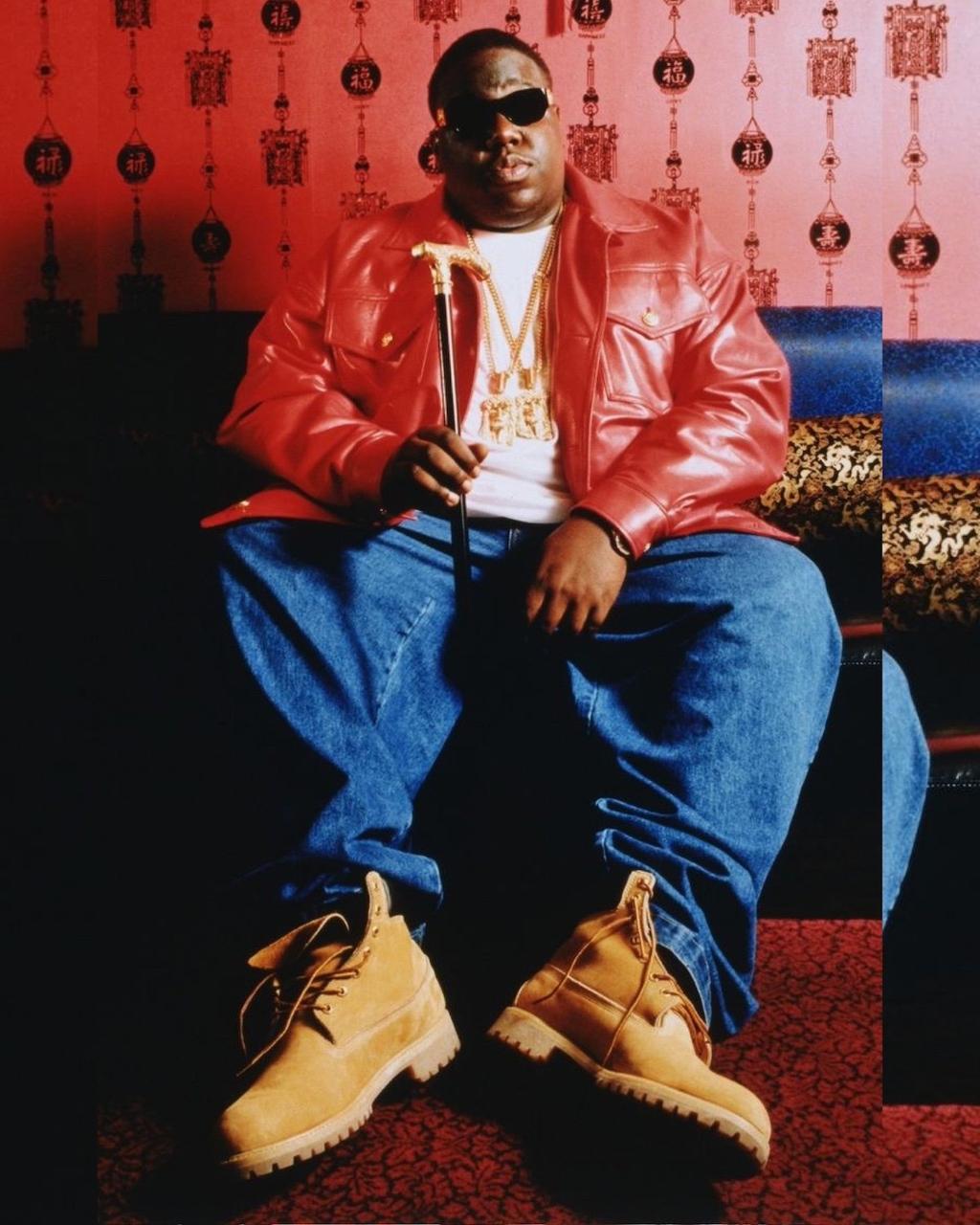
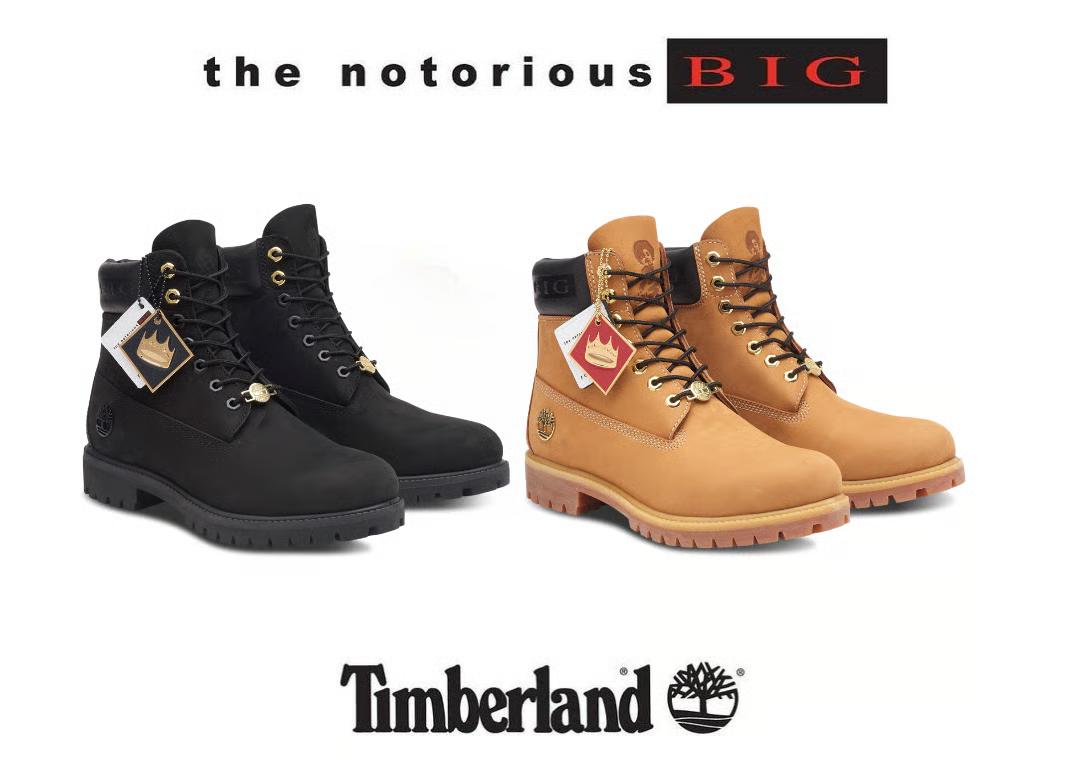
“B” becomes Butters, Boroughs and Beef & Broccoli. RZA narrates. Archival images of The Notorious B.I.G., Ozzy Osbourne and others sit beside contemporary figures including Sha'Carri Richardson, Yaeji and Tyshawn Jones.
That changes who gets to define Timberland.
The company made the boot. Culture made the meanings around it.
The move is to claim those meanings not by taking credit for creating them, but by recognizing the communities that did.
02 — THE THINKING
Meaning becomes stronger when people create it themselves.
A brand can buy visibility in culture. It cannot manufacture decades of genuine adoption.
Timberland has something more valuable than celebrity association: people have repeatedly repurposed the product's meaning. A boot built around function became fashion, identity and cultural shorthand. Communities even created their own vocabulary around it. Timberland specifically traces “Butters” and “Beef & Broccoli” to language generated around the product rather than language invented in a marketing department.
That makes the dictionary format strategically precise.
A dictionary records language that already exists. Timberland uses the same mechanism for its brand: observe what people have called it, how they've worn it and what they've attached to it, then organize those meanings into one system.
The emotion underneath the campaign is belonging without sameness. Different communities can make Timberland their own without stripping the brand of its identity.
The product stays recognizable. Its meaning keeps accumulating.
03 — THE IMPACT
Heritage becomes something culture can keep writing.
The strategic value of A to Z is that Timberland doesn't have to choose between heritage and relevance.
The structure can hold both.
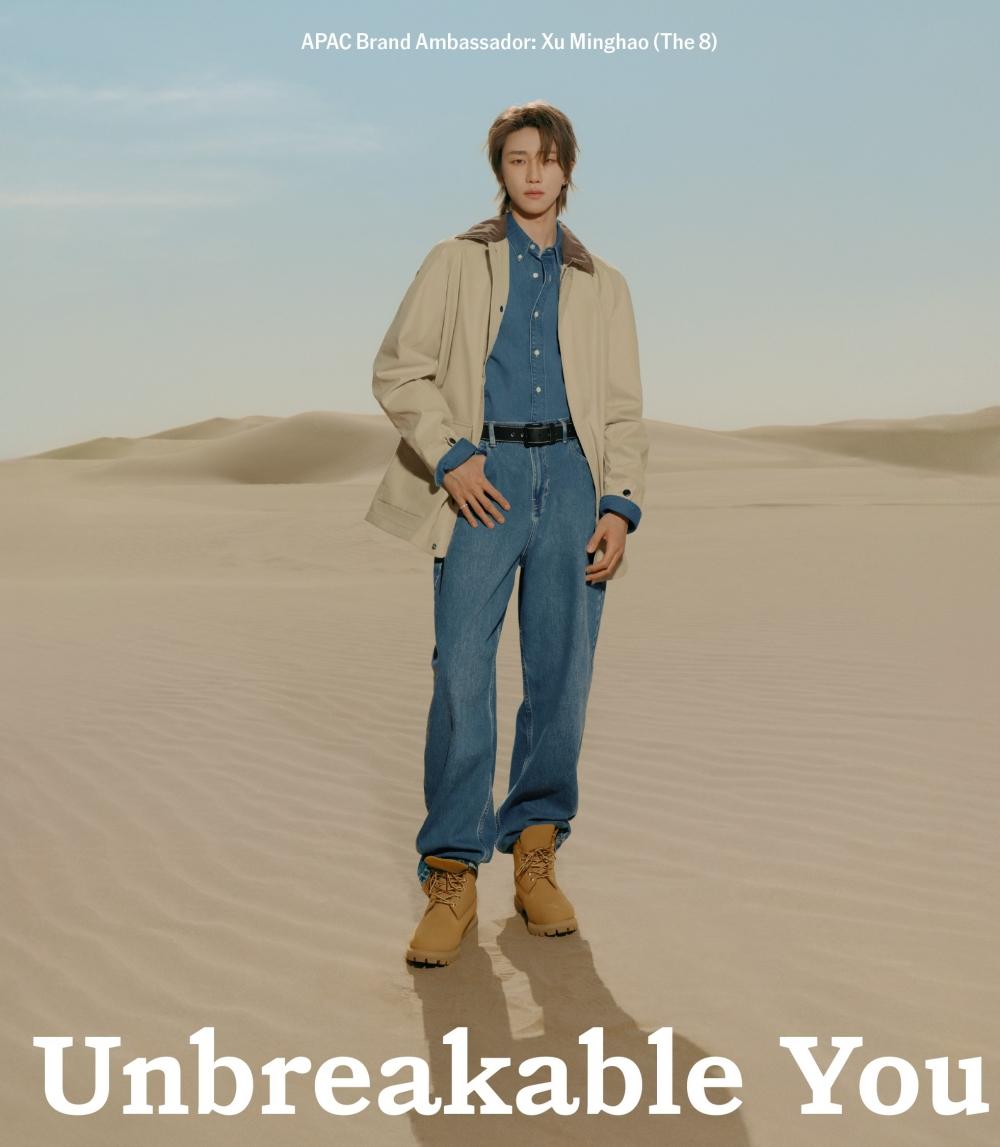
Biggie and Ozzy can exist beside Sha'Carri Richardson and Yaeji. Workwear can coexist with fashion. New York terminology can sit beside global cultural expression. Timberland explicitly describes these tensions as “rugged and refined,” heritage and modernity, individuality and community.
That gives Timberland something more useful than a retrospective anniversary campaign: an expandable system. New people, words and cultural moments can continue entering the dictionary without requiring the brand to reinvent itself.
Timberland made its history evidence that the brand can keep changing without losing what made it recognizable.
SOURCES
Timberland — “Timberland Unveils ‘The A to Z of Timberland,’ Partnering with Cultural Icons to Celebrate the Brand’s Enduring Legacy”
Primary campaign record establishing launch date, concept, cultural participants, distribution, creative rationale and production credits.
View Source
Timberland — “The A-Z of Timberland”
Official campaign film. Timberland describes the work as a visual and verbal dictionary reflecting how its global community has made the brand its own.
Watch Film
Timberland — Media Gallery
Official campaign asset library containing dedicated RZA, Sha'Carri Richardson, Yaeji, Tyshawn Jones, Garance Vallée and other A-to-Z executions.
View Media Gallery
LBB — “Timberland: A to Z”
Independent production documentation identifying Walid Labri and DIVISION and describing the Yellow Boot's integration into everyday New York culture.
View Source

Written by
Ray Joseph
Founder, JOSEPH


















.png)
