Pepsi Isn’t Trying to Own the Game. It’s Trying to Own the Table.

THE POSITION
The most valuable part of the game may happen around it.
Sports marketing usually fights for proximity to the action: athletes, highlights, trophies and official rights. “Soccer Deserves Pepsi” makes a different choice. Pepsi uses soccer to create the occasion, then moves its product toward the behavior surrounding it: people gathering, eating and watching together.
The game attracts the audience. The table gives Pepsi a reason to be there.
01 — THE MOVE
Move from sponsoring the game to serving the occasion.
Pepsi has decades of football equity and remains an official UEFA Champions League partner. But “Soccer Deserves Pepsi” doesn't make the match itself the primary product story. It makes match-day food the bridge between football and cola.
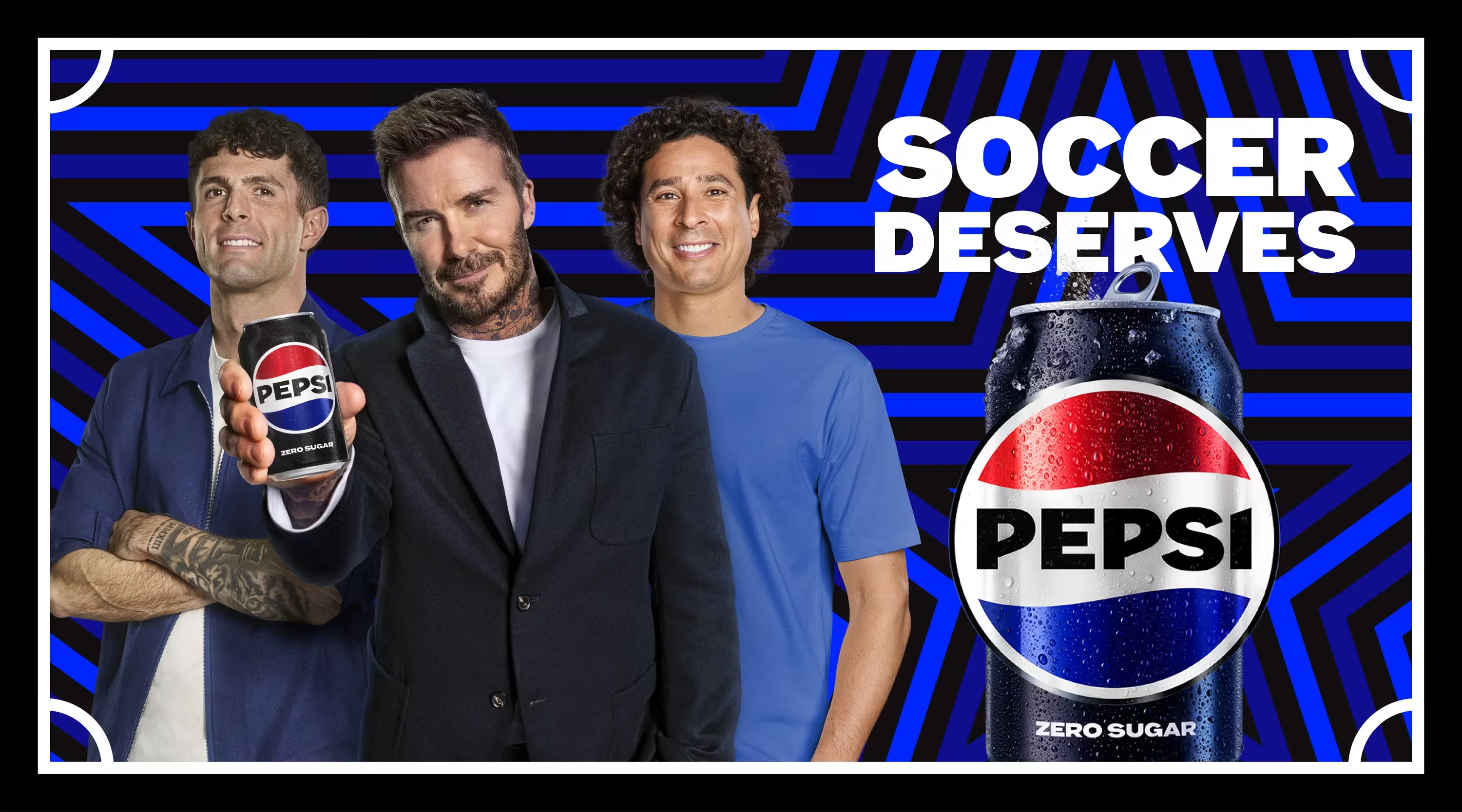
The creative moves repeatedly from wings, tacos and family recipes to Pepsi Zero Sugar. Beckham and Memo Ochoa provide football credibility, but the product's job is not to improve the game. It is to improve what people eat while watching it.
That changes the competitive frame. Sports sponsorship creates visibility. Food pairing creates an occasion for consumption.
Pepsi isn't abandoning the game. It is using the game to create more tables where Pepsi belongs.
02 — THE THINKING
Food turns fandom into a repeatable product occasion.
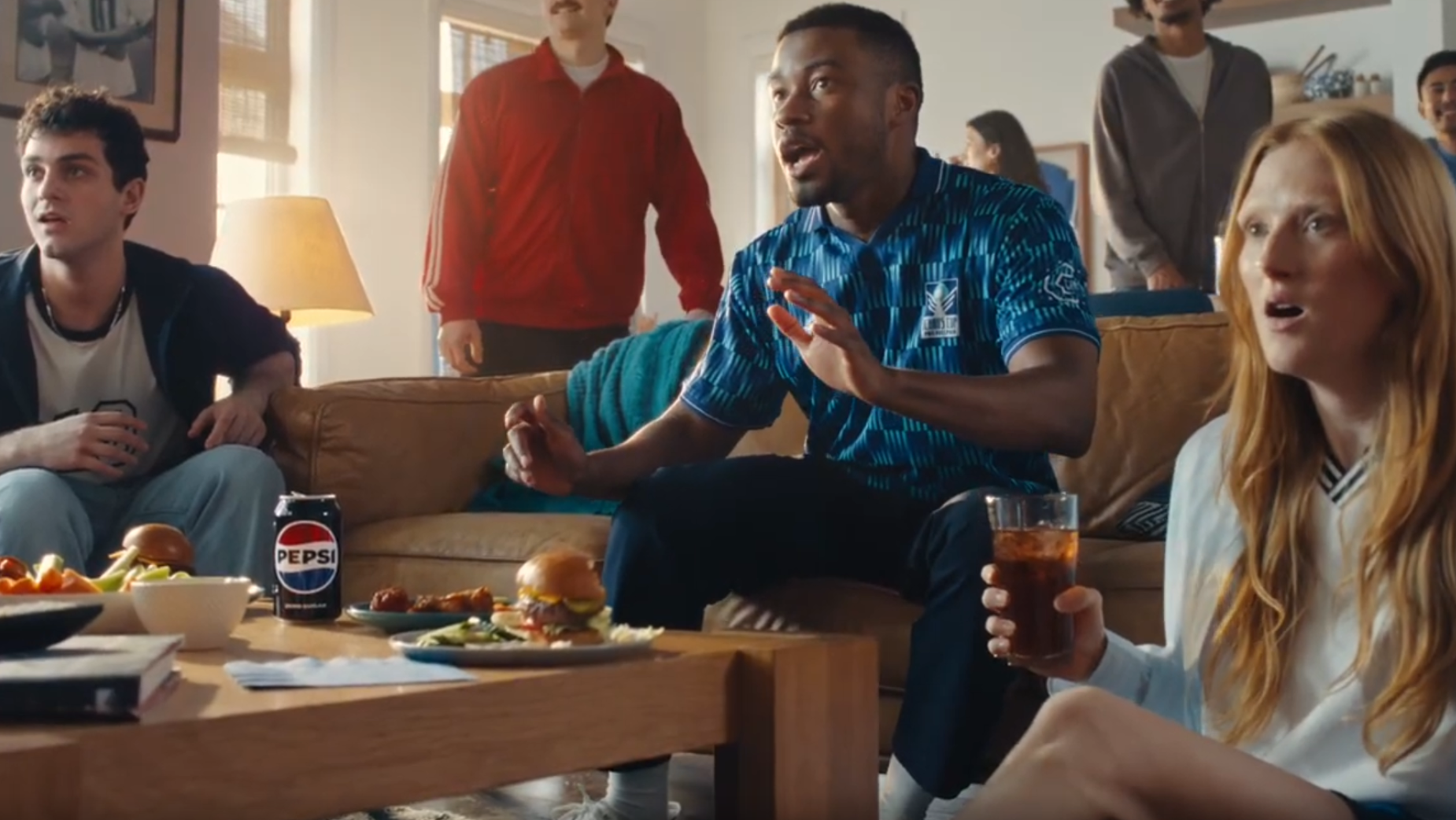
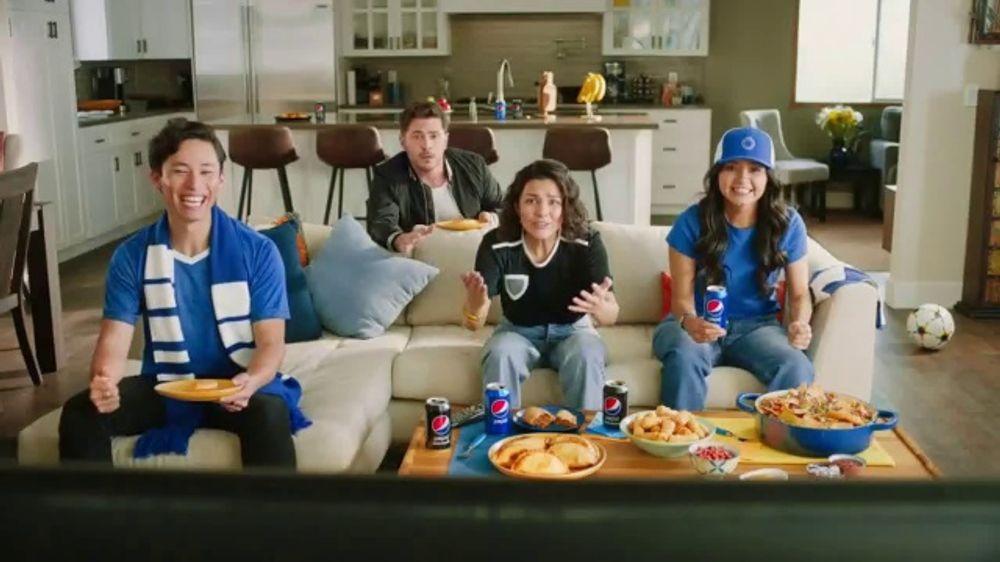
A match is watched for ninety minutes. The behavior surrounding it is larger: deciding where to watch, inviting people over, ordering food, cooking, eating and talking long after the whistle. Pepsi's global football strategy explicitly identifies those rituals as part of how fans experience the sport.
That gives “Soccer Deserves Pepsi” a human mechanism beyond sponsorship. Food already sits inside gathering and belonging. Pepsi can attach itself to that behavior while making a functional taste claim: the cola makes the food better.
The stars make the campaign recognizable as soccer. The meal makes Pepsi useful within it.
That distinction matters. A brand can borrow attention from a sport. A consumption ritual gives the product a recurring role in the experience.
03 — THE IMPACT
One match can create an ecosystem of consumption.
Once Pepsi defines soccer through the table, the idea can travel farther than a television commercial. The campaign extends into limited-edition packaging, retail displays, DoorDash ordering, restaurants, social content, offers and COPA90's “The Sauce,” which explores local food-and-soccer traditions.
Those executions are different commercially, but the product role stays consistent: wherever food becomes part of watching soccer, Pepsi has a reason to appear.
That gives the brand territory beyond any single tournament or athlete. Football supplies attention and emotion. Food supplies frequency and product relevance.
Pepsi doesn't need to own the game if it can become part of what people put on the table every time they watch it.

PRIMARY SOURCE
PepsiCo — “Pepsi Levels Up Soccer Match Day Food, Making Every Bite Taste Better”
Primary campaign announcement establishing the May 27 launch, campaign objective, talent, food strategy, commercials, retail, packaging, DoorDash, restaurants and COPA90 extension.
View Source
PepsiCo — “Pepsi Global Unveils Pepsi Football Nation”
Establishes Pepsi's larger football strategy: moving football culture beyond the pitch into rituals, conversation, food and everyday fan experiences.
View Source
COPA90 — Soccer Deserves Pepsi launch
COPA90 describes the campaign around football culture in kitchens, backyards, watch parties and neighborhood spaces and identifies food traditions as part of fandom.
View Source
Ads of the World — Soccer Deserves Pepsi
Documents the campaign, partner agencies and two film assets and confirms its May 2026 U.S. release.
View Source
Marketing Dive — Pepsi Extends Food-Focused Push for Summer of Soccer
Independent industry reporting identifies the strategic continuity between Soccer Deserves Pepsi and Pepsi's longer-running food-pairing work.
View Source
The Coca-Cola Company — FIFA World Cup 2026
Provides relevant competitive context: Coca-Cola held official FIFA World Cup 2026 sponsorship rights, while Pepsi's U.S. campaign approached the soccer summer through food and match-day behavior.
View Source

Written by
Ray Joseph
Founder, JOSEPH












.png)
