Lexus Made the Human the Most Important Part of the Machine.


THE POSITION
Lexus made the person the measure of the machine.
Luxury automotive marketing has no shortage of technology to sell. Lexus makes a different choice. Engineered to Be Felt exposes the obsessive engineering behind the vehicle, then changes what that engineering is evidence of. Precision is not presented as the destination. It exists in service of the person experiencing it.
The machine demonstrates capability. The human determines whether that capability matters.
01 — THE MOVE
Turn engineering from the proposition into the mechanism.
Lexus could have made technical sophistication the argument: more precision, more refinement, more advanced engineering.
Instead, it asks what all that engineering is for.
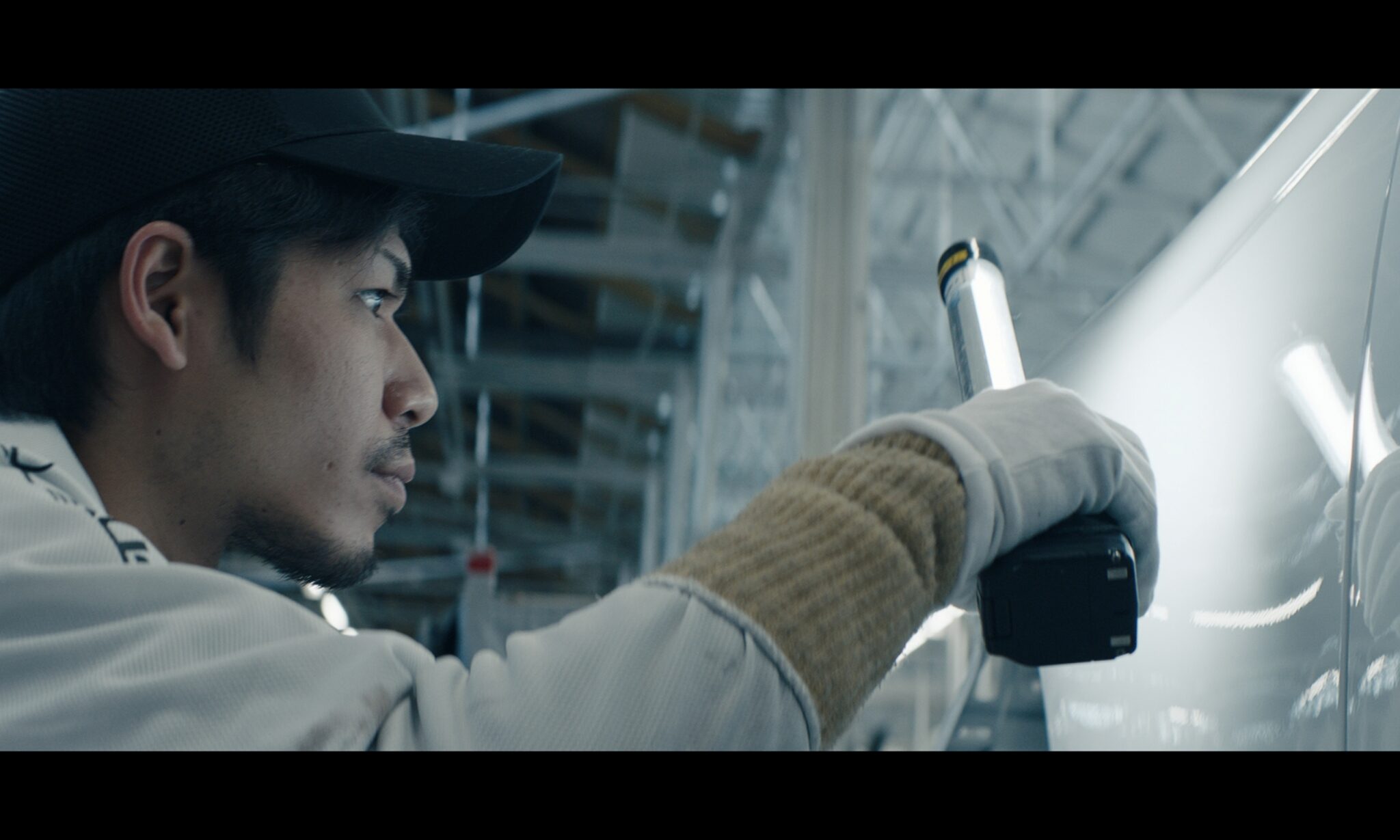
A steering wheel may go through dozens of prototypes to achieve the intended tactile experience. Stitching is measured precisely. Even the sound of a door closing is acoustically tuned. Lexus shows the work, but repeatedly redirects attention toward its human consequence.
That changes the role engineering plays in the positioning.
Engineering remains the proof of Lexus's capability. It simply stops being the final benefit.
The machine is engineered with extraordinary precision so the person inside doesn't have to think about the engineering at all.
02 — THE THINKING
Luxury becomes meaningful when precision becomes perception.
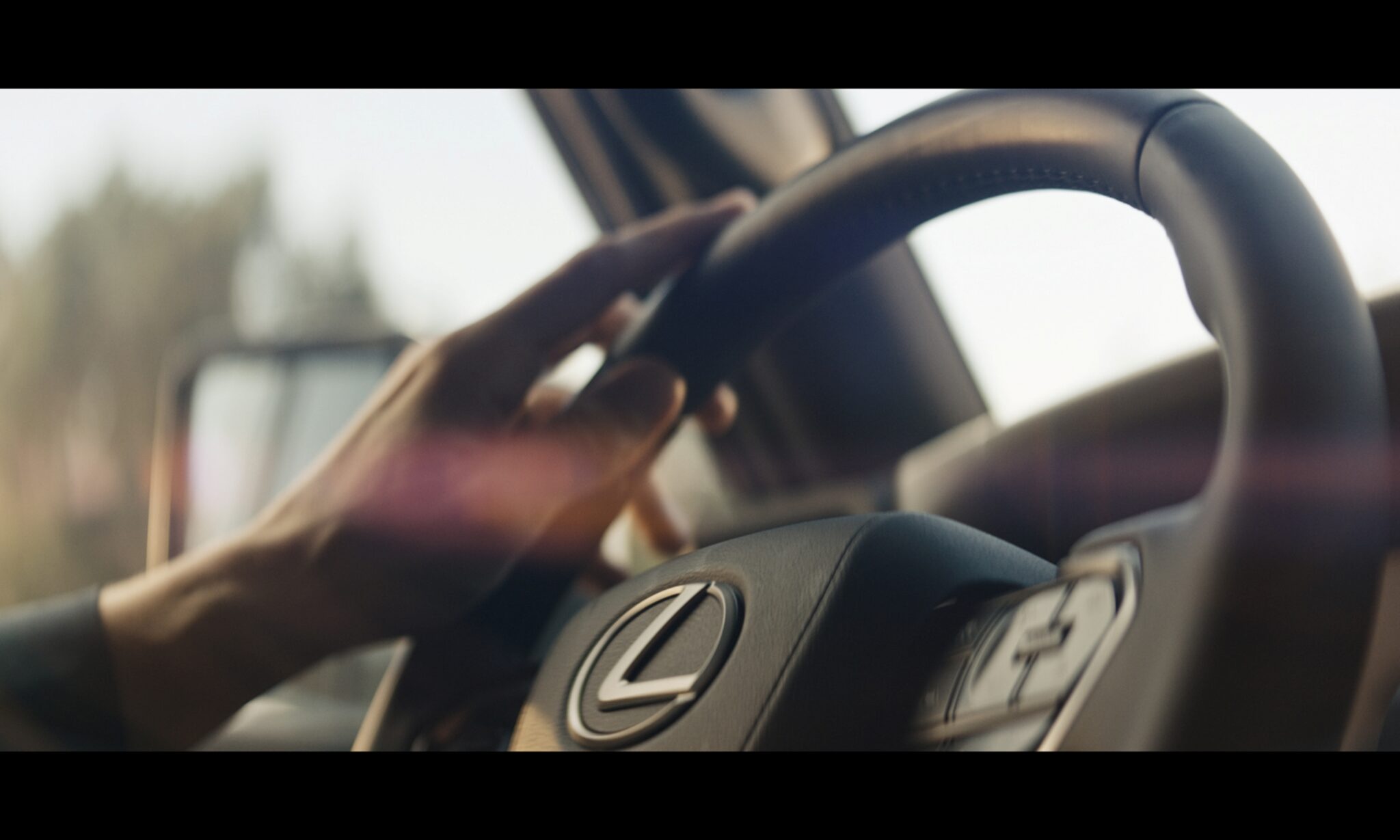
Customers never experience engineering in the abstract. They experience weight in their hands, quiet in the cabin, the response of the vehicle and the sound of the door closing.
That distinction gives Lexus a human reason for technical obsession.
The campaign is rooted in omotenashi, the Japanese idea of anticipating a guest's needs. Lexus applies that philosophy before the customer arrives: engineering decisions anticipate sensations the driver may never consciously attribute to engineering. The company says its development process asks a remarkably simple question: How will this make someone feel?
That converts complexity into something easier to value. Customers do not need to understand every decision behind the product. They can experience the accumulation of those decisions as serenity, confidence, responsiveness or care.
The engineering becomes most powerful when the customer stops seeing the engineering and starts feeling its intention.

03 — THE IMPACT
One human standard can unify many kinds of engineering.
Human experience gives Lexus a broader platform than any individual technology can.
The GX can communicate capability. An EV can communicate quiet. Craftsmanship can communicate tactility. Acoustic engineering, interior design and vehicle response can each provide different forms of proof. Lexus says the campaign deliberately uses different vehicles and mediums to express the same underlying philosophy.
That creates continuity without requiring every Lexus to demonstrate the same feature.
Different technologies can change. Different models can solve different problems. The measure stays remarkably stable: what does all of this allow the person inside to experience?
That makes humanity more than an emotional layer placed over engineering.
It gives the engineering a reason to exist.
.webp)
PRIMARY SOURCE
Lexus — “The Standard of Amazing: Engineered to Be Felt”
July 7, 2026
Official Lexus USA Newsroom
View source
This is the strongest primary source. Lexus directly explains the strategy, omotenashi, the human-centered engineering philosophy, the GX hero film, the steering-wheel prototypes, door acoustics, “Missing Piece,” and Team One’s creative rationale.
CAMPAIGN FILM
Lexus — “Engineered to Be Felt”
Official Lexus commercial
Watch film
COMPANION FILM
Lexus — “The Most Powerful Tool”
Official Lexus commercial
Watch film
Team One identifies both films as part of the campaign, while Lexus describes “Engineered to Be Felt” as the hero broadcast film and “Most Powerful Tool” as its companion.
CAMPAIGN CONTEXT
Reel 360 — “Lexus makes engineering emotional in ‘Engineered to Be Felt’”
July 13, 2026
View source

Written by
Ray Joseph
Founder, JOSEPH














.png)
