Nike Made “Just Do It” a Question.

THE POSITION
Nike made certainty relevant by questioning it.
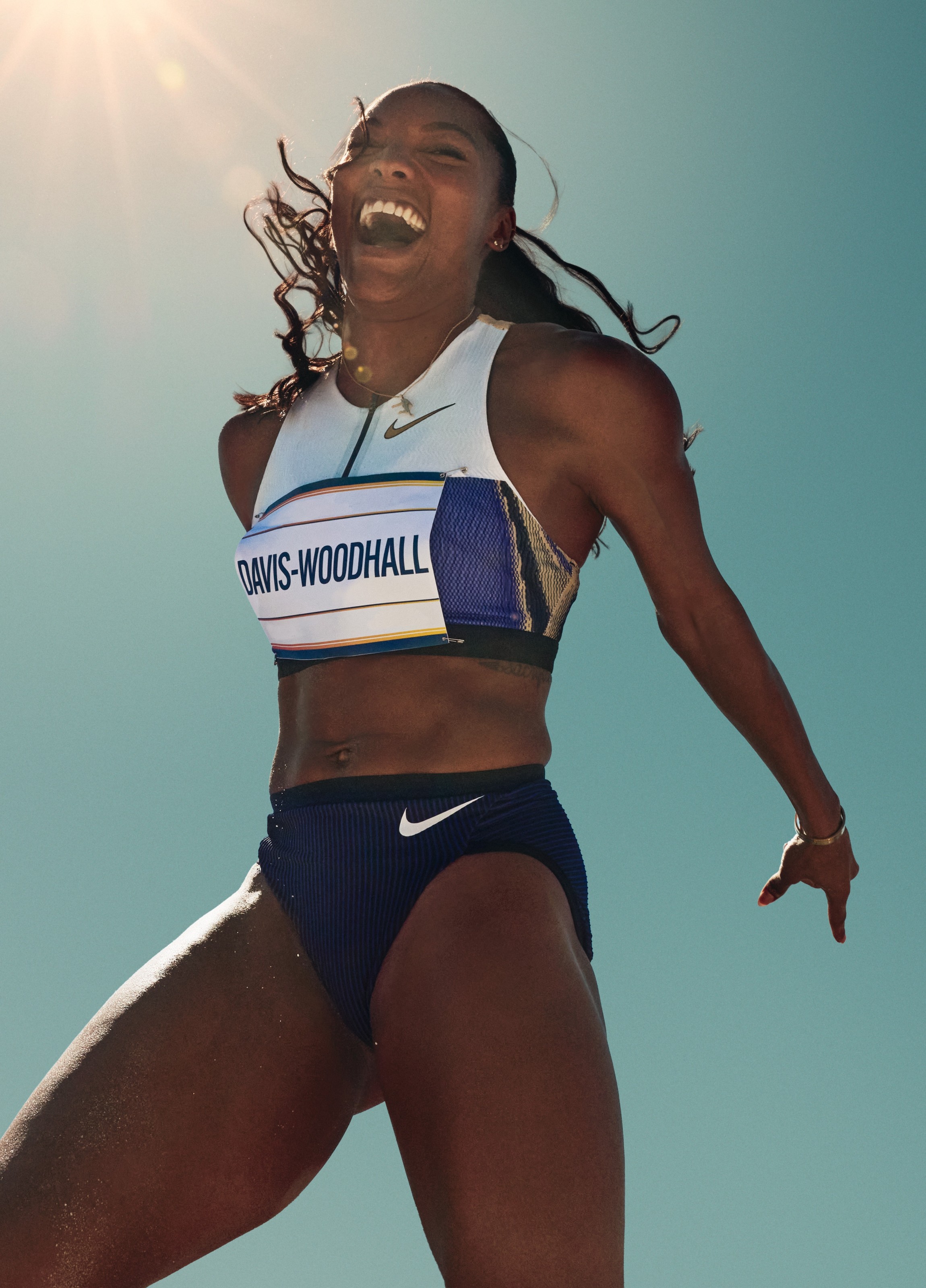
For nearly four decades, “Just Do It” gave athletes an answer before they could negotiate with themselves. “Why Do It?” reverses that relationship. Nike allows hesitation into one of advertising’s most confident ideas, then uses the question to restore the meaning of the original command. The campaign does not replace “Just Do It.” It makes the athlete confront why doing anything difficult was worth saying in the first place. Nike itself describes the campaign as a reintroduction of the platform to a new generation.
01 - THE MOVE
Turn the command into a question.
Nike could have protected “Just Do It” by repeating it. Instead, it temporarily challenges its own certainty.
The film asks why anyone would risk failure, make life harder or give everything without knowing whether it will be enough. Only after giving those doubts room does Nike return to the familiar answer.
That is the move. The brand does not abandon one of its greatest assets in search of novelty. It creates tension around it. “Just Do It” stops functioning only as an instruction and becomes the resolution to a question the audience has just been forced to consider. The equity stays intact. Its role changes.

02 - THE THINKING
Doubt makes the old answer matter again.
“Just Do It” was born as an uncomplicated call to action. But a command can lose some of its force when the audience experiences the decision differently.
Nike explicitly built “Why Do It?” around young athletes for whom trying, failing and exposing effort can feel daunting. The campaign does something strategically important with that tension: it does not argue that the fear is irrational. It acknowledges it. You can risk everything and still lose.
That changes the emotional mechanism. Courage is no longer presented as the absence of doubt. It is the decision that follows doubt.
The film’s final reversal makes that clear. After asking why someone would take the risk, Tyler, the Creator changes the question: what happens if you do not? Then “Just Do It” returns.
The command feels different because the campaign has made room for the reason someone might resist it. Nike does not weaken its conviction. It earns the right to say it again.
03 - THE IMPACT
The question gives “Just Do It” another generation.
The strategic consequence is not a new slogan. It is renewed permission to keep the old one.
Nike has accumulated nearly four decades of meaning in “Just Do It.” Replacing it would trade distinctive equity for freshness. Repeating it unchanged risks asking a new generation to inherit the language without confronting the pressures Nike believes have changed around it. “Why Do It?” creates a third option: reinterpret the asset without surrendering it.
That also makes the platform expandable. Different athletes, sports and moments can answer the question differently while arriving at the same belief. Nike can change the conversation around “Just Do It” without changing what “Just Do It” ultimately means.
The question does not replace the brand’s answer. It gives people a reason to arrive at it themselves.

PRIMARY SOURCES
Nike — Nike Reintroduces “Just Do It” to Today’s Generation with “Why Do It?” Campaign
Primary campaign record establishing the launch date, campaign intent, athlete roster and Nike’s framing of greatness as a choice rather than an outcome.
View Source
Nike — WHY DO IT? | NIKE
Official campaign film published by Nike on September 4, 2025, providing the primary creative execution and the campaign’s question-to-answer structure.
View Source
Wieden+Kennedy PDX Design — Nike “Why Do It?”
W+K’s design studio documents the campaign’s global visual system and its intention to capture the mindset of athletes who choose to act.
View Source
Adweek — Nike Has a New Slogan for the Anxious Generation: Why Do It?
Independent reporting identifies Wieden+Kennedy Portland and documents Nike’s attempt to make its long-standing platform contemporary for younger athletes.
View Source
NIKE, Inc. — Fiscal 2025 Form 10-K
Business context: Nike entered the campaign period following a fiscal year in which revenue fell from $51.4 billion to $46.3 billion, adding significance to renewed brand-building efforts.
View Source
British Vogue — Carlos Alcaraz / Nike “Why Do It?”
Campaign reporting documents Nike’s effort to make the enduring “Just Do It” mindset contemporary rather than discard the equity behind it.
View Source

Written by
Ray Joseph
Founder, JOSEPH













.png)
