

THE POSITION
Make the customer the meaning of the brand.
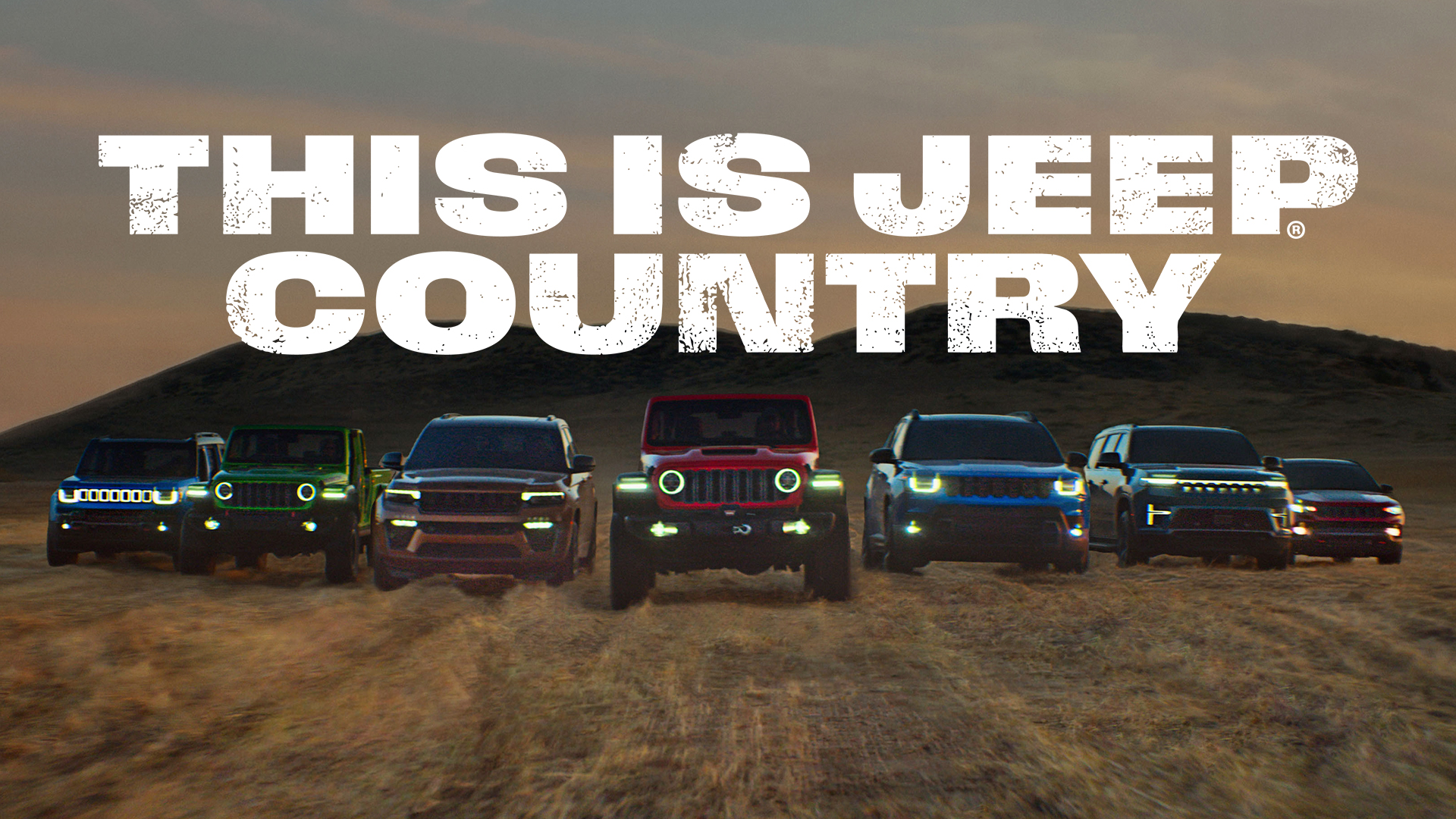
“This Is Jeep Country” celebrates 85 years of Jeep, but its more consequential move is present tense. Jeep takes the values it sees in its customers—freedom, resilience, exploration, independence—and reflects them back as the character of the company. The vehicle becomes the connection between the two. Jeep is not simply positioning itself around what its products can do. It is positioning itself around who its customers believe themselves to be.
01 — THE MOVE
Put the product inside the customer's identity.
The film begins with an unusually revealing premise: America was Jeep's first customer, and over time, “the company becomes the customer.”
That reverses the normal relationship. Instead of defining the customer around Jeep, Jeep defines itself around the character it attributes to the customer. American flags, military history, open terrain and difficult paths connect capability to freedom, resilience and independence.
That distinction matters when competitors can sell credible off-road performance of their own. Ford's Bronco outsold Wrangler in Q2 2026. Capability can be challenged. Eighty-five years of accumulated meaning is harder to reproduce.
02 — THE THINKING
Belonging makes capability personal.
Capability explains what a Jeep can do. Identity explains why someone might care.
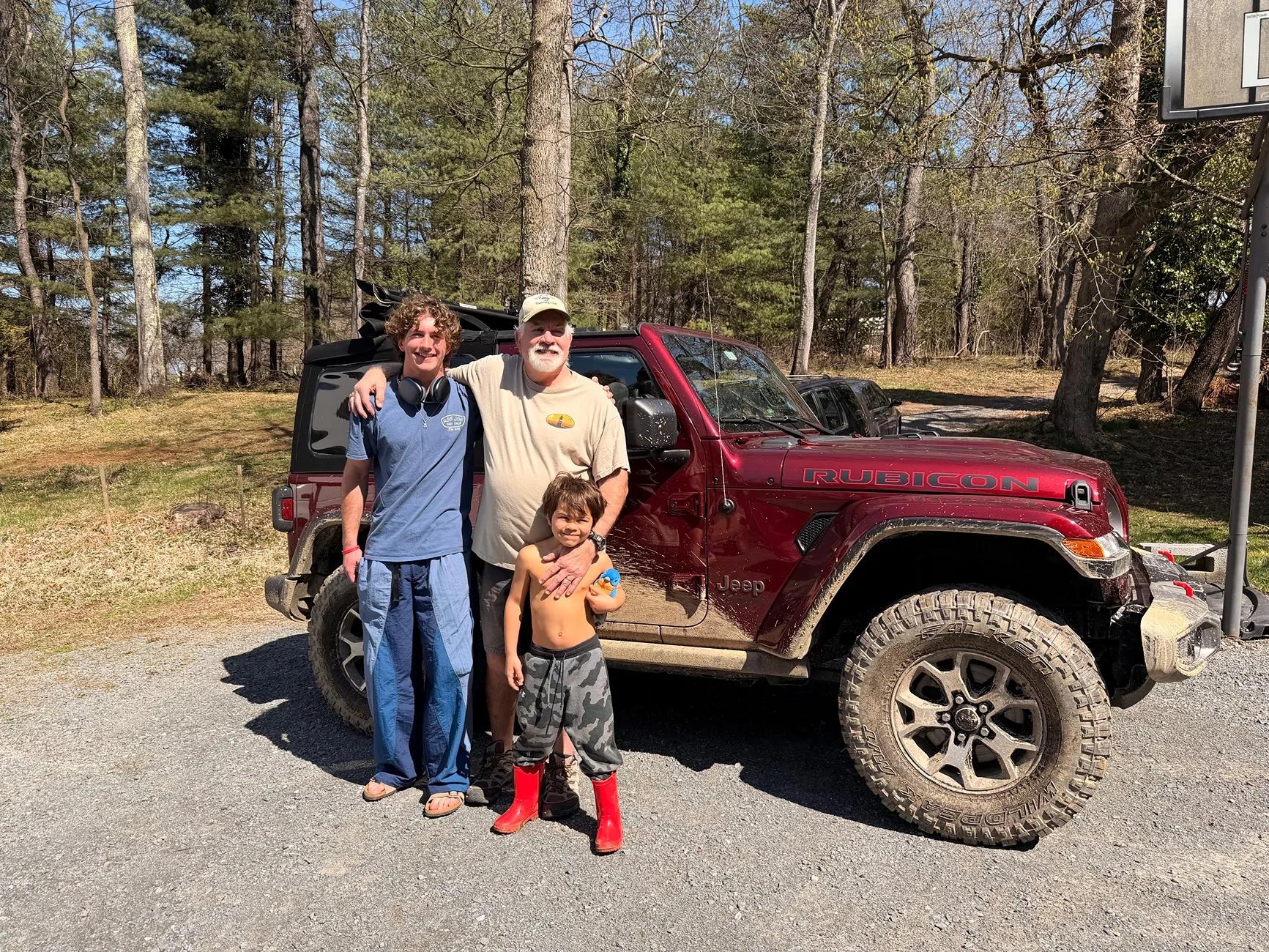
That is where the outdoors matter. The trails, mountains, rivers and gatherings aren't simply environments where Jeep can demonstrate four-wheel drive. They represent a particular conception of life: exploration, toughness, freedom and camaraderie. Jeep strengthens that connection by incorporating footage from real owners rather than constructing the entire lifestyle inside an advertisement.
Your instinct about belief systems is important, with one distinction. The evidence strongly supports patriotism and values-based identity; it does not establish a specific partisan political position. Jeep is connecting itself to an American self-image, not explicitly to a political party.
The product therefore becomes symbolic. Driving the Jeep can communicate something about the driver's relationship with freedom, country and the outdoors—not simply their transportation preference.
EVIDENCE — real owners, outdoor life and Jeep as community
03 — THE IMPACT
Turn a lifestyle into brand territory.
“This Is Jeep Country” gives the identity a name—and that makes the idea larger than Wrangler.
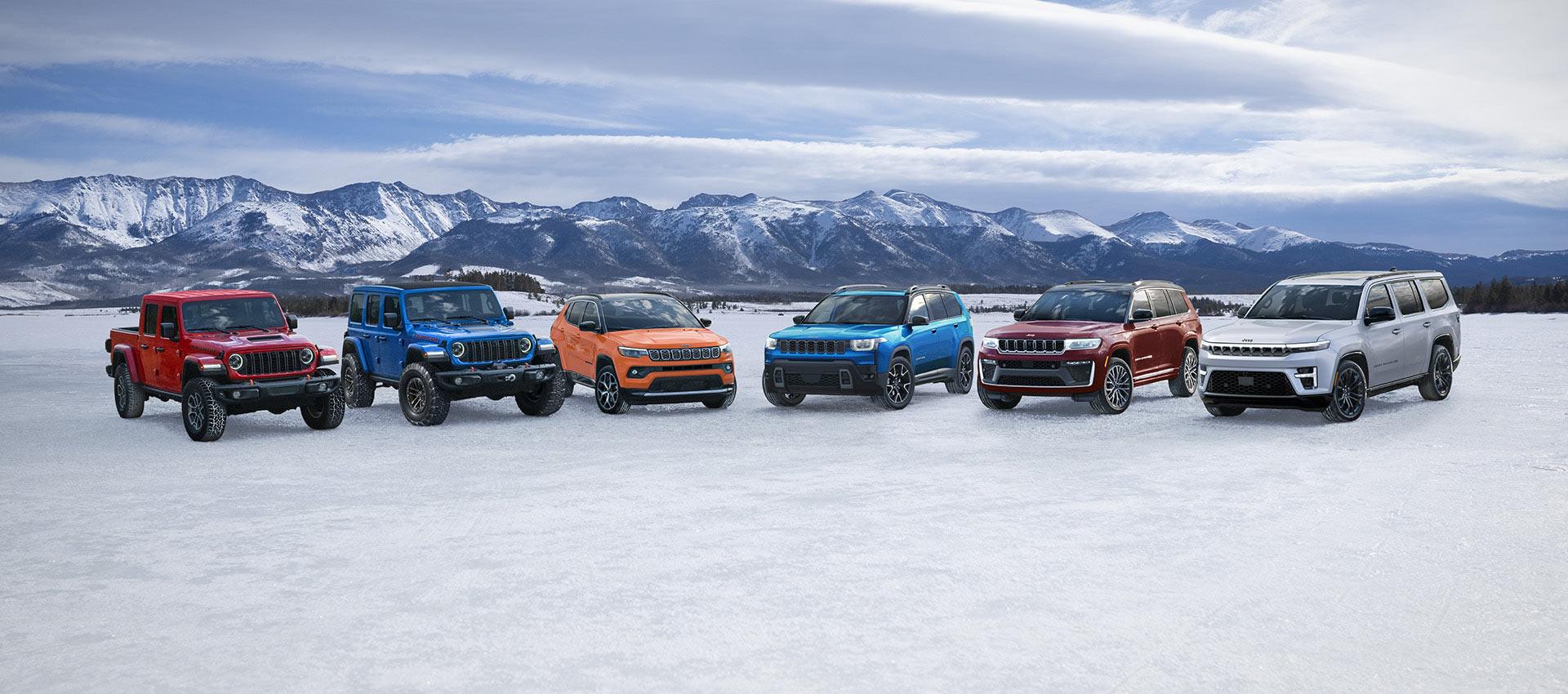
The campaign spans Wrangler, Gladiator, Grand Cherokee, Cherokee, Compass, Grand Wagoneer and the all-new electric Recon, placing different vehicles across deserts, forests, mountains and coastlines under one position.
That breadth matters. Jeep's portfolio can change while the meaning remains stable. Even Recon, without Wrangler's history, enters a story that began decades before it existed.
“Jeep Country” therefore does more than place Jeep inside its customer's lifestyle. It attempts to claim the symbolic territory around that lifestyle. The product becomes evidence that the driver belongs there.
EVIDENCE — one identity stretching across products, places and generations

SOURCES
Stellantis — Jeep Brand Declares, “This Is Jeep Country”
Primary campaign record establishing the September 9 launch, America-first premise, real-owner footage, portfolio scope, media footprint and Highdive partnership.
Jeep — Official Brand Site
Current brand context reinforces that patriotism is not isolated to this campaign: Jeep publicly positions itself around America, freedom, capability and its America250 relationship.
Ford Motor Company — Second Quarter 2026 U.S. Sales
Competitive context: Bronco posted a record quarter and outsold Wrangler in Q2 2026, increasing the strategic importance of territory that cannot be replicated through off-road capability alone.
Stellantis — First-Half 2026 U.S. Sales
Jeep entered the campaign with first-half brand sales down 1% year over year, while individual nameplates were moving in different directions across the portfolio.
Brand Innovators — Jeep ties its brand to the country that made it
Independent coverage documents the film's progression from military origin and American symbolism through rugged outdoor activity and real owner experiences.
Reel Chicago — Highdive helps Jeep declare “This Is Jeep Country”
Independent creative-industry coverage documents Highdive's role and the campaign's use of landscapes, owners and Jeep's history to construct a broader identity.

Written by
Ray Joseph
Founder, JOSEPH














.png)
